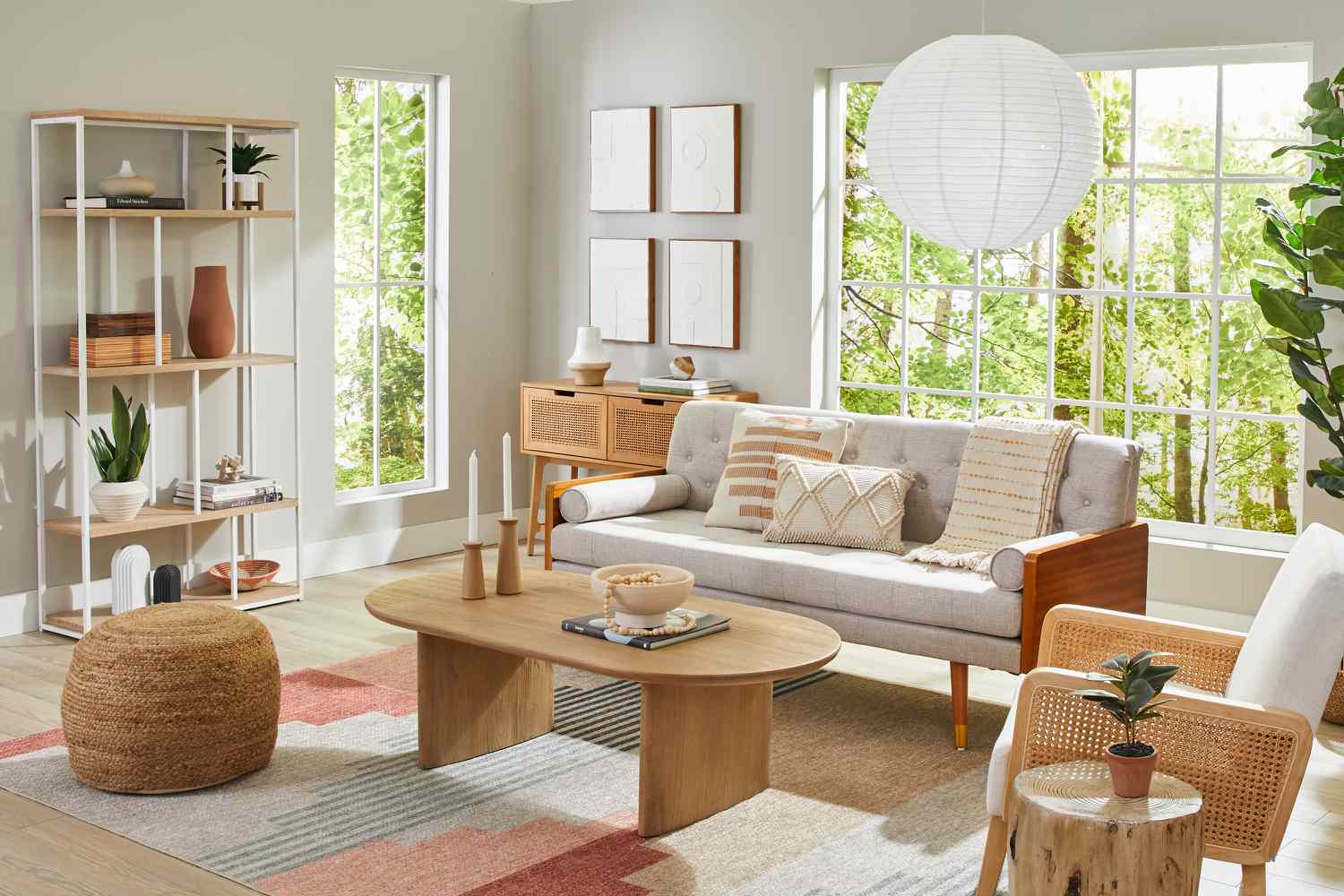
Minimalism is more than just a design choice—it’s a lifestyle philosophy that emphasizes simplicity, intentionality, and clarity. In our fast-paced, consumer-driven world, living spaces often become cluttered with items we don’t need and distractions that take away from peace of mind. Minimalism offers a way to reclaim your home, reduce stress, and create environments that truly reflect your values. By embracing this approach, homeowners can redefine their living spaces to feel more open, functional, and meaningful.
The Beauty Of Simplicity
Minimalism in design focuses on functionality and beauty through simplicity. A minimalist living space typically includes neutral colors, clean lines, and carefully selected furnishings. This doesn’t mean your home has to feel cold or empty—rather, it means creating a space that is free of unnecessary clutter so the most important features can shine.
It’s similar to the subtle appeal of a snapchat hidden face mirror selfie in saree. Even without showing everything, the image communicates elegance and depth. In the same way, minimalist homes allow understated features—like natural light or a statement piece of furniture—to define the room.
Decluttering As A Transformative Act
Clutter is often more than just physical—it reflects mental and emotional states. Holding on to unnecessary possessions can weigh us down, creating stress and distraction. Decluttering, therefore, is not just about organizing; it’s about making intentional choices about what belongs in your space.
To make this process easier, many people turn to resources that provide guidance and connection. Just as an online business directory helps professionals find trusted services, organizing frameworks and minimalism guides can direct you toward effective methods of creating cleaner, calmer spaces.
Emotional Minimalism
Minimalism also extends beyond furniture and design. It influences how we manage emotions and personal energy in the home. Reducing noise, distractions, and even toxic habits creates a mental environment of peace and balance.
This concept can be compared to platforms like mysadshayari.com, where people express emotions simply yet profoundly. Just as poetry captures raw feelings with fewer words, emotional minimalism allows us to create spaces that soothe and heal without excess stimulation.
Minimalism In Real Estate Appeal
Minimalist design is not just a personal preference—it also adds value to homes on the market. Clean, open spaces tend to photograph better, attract buyers, and feel more adaptable. Neutral colors and decluttered rooms allow potential buyers to imagine their own lives in the space.
For example, browsing a house for sale listing Australia often reveals properties staged with minimalist touches. The simplicity appeals to a wide range of tastes, making it easier for homeowners to sell quickly and at higher values. Minimalism, therefore, is not only aesthetically pleasing but also financially strategic.
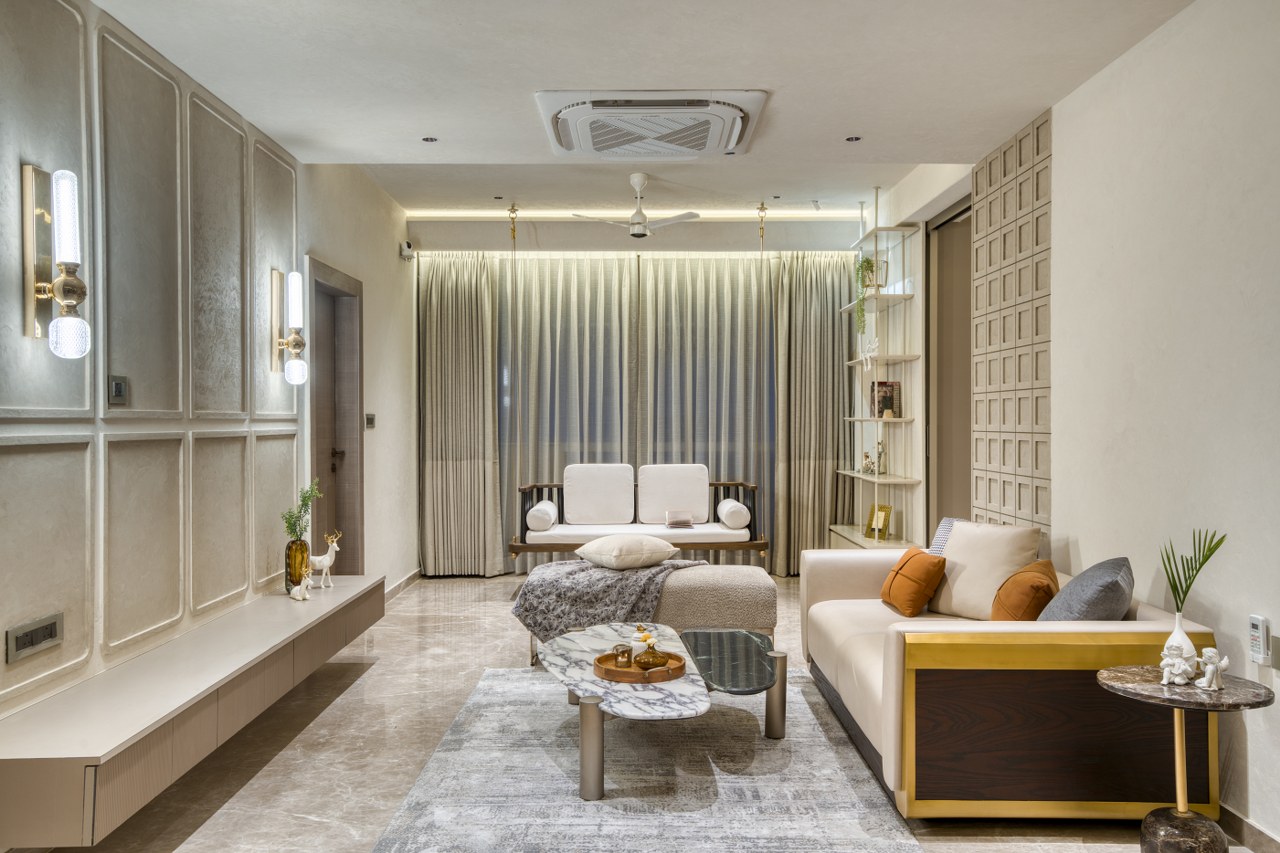
Dining Spaces That Reflect Simplicity
Kitchens and dining areas are central to most homes, and minimalism can transform these spaces into functional yet welcoming areas. Simplified layouts, open shelving, and high-quality essentials replace overwhelming cabinets filled with unused items.
This idea resonates with how a restaurant in Australia might curate its atmosphere. Many top restaurants focus on simple menus and thoughtfully designed spaces, proving that less is often more. Bringing this approach into your dining area makes meals more enjoyable and communal.
Sustainable Living Through Minimalism
One of the most impactful benefits of minimalism is sustainability. By consuming less and focusing on quality over quantity, homeowners reduce waste and environmental impact. Furniture made from durable, eco-friendly materials and energy-efficient appliances align perfectly with minimalist values.
Sustainable choices also contribute to a healthier lifestyle. A minimalist home often feels cleaner and more breathable, improving overall well-being while also benefiting the planet.
Creating Spaces That Reflect Your True Self
Minimalism is not about following rigid rules—it’s about designing a space that feels authentic. For some, this may mean a monochrome palette with sharp lines, while others may prefer warm, natural tones and simple textures. The key is intentionality—keeping what serves you and letting go of what doesn’t.
A minimalist living space is like a canvas, allowing your personality, experiences, and priorities to stand out. Instead of being hidden under clutter, your life is represented in clear, meaningful ways.
Practical Tips For Bringing Minimalism Home
Adopting minimalism doesn’t mean overhauling your home overnight. Here are a few simple steps to start:
- Declutter One Room At A Time: Focus on manageable areas to avoid feeling overwhelmed.
- Choose Quality Over Quantity: Invest in fewer but better pieces of furniture and décor.
- Prioritize Open Spaces: Avoid filling every wall or corner; let negative space enhance design.
- Be Intentional With Colors: Stick to calming palettes that create a sense of harmony.
- Build Habits: Make minimalism part of your lifestyle by reassessing possessions regularly.
These steps create gradual change that redefines your living space over time.
Conclusion
Minimalism is not about deprivation—it’s about freedom, clarity, and intentional living. By simplifying spaces, decluttering, and focusing on quality, homeowners can create environments that nurture both body and mind. From real estate appeal to sustainable living, minimalism offers benefits that extend well beyond design. Just as subtle expressions in art, photography, and culture carry profound meaning, a minimalist home communicates peace and authenticity through simplicity. When we remove the excess, we allow space for what truly matters—comfort, connection, and the joy of living in harmony with our surroundings.